Paper production begins
The Greenhithe site begins producing paper and becomes an increasingly important local employer.
About the club
Explore the story, people and proud moments that make Empire Bowls Club what it is.
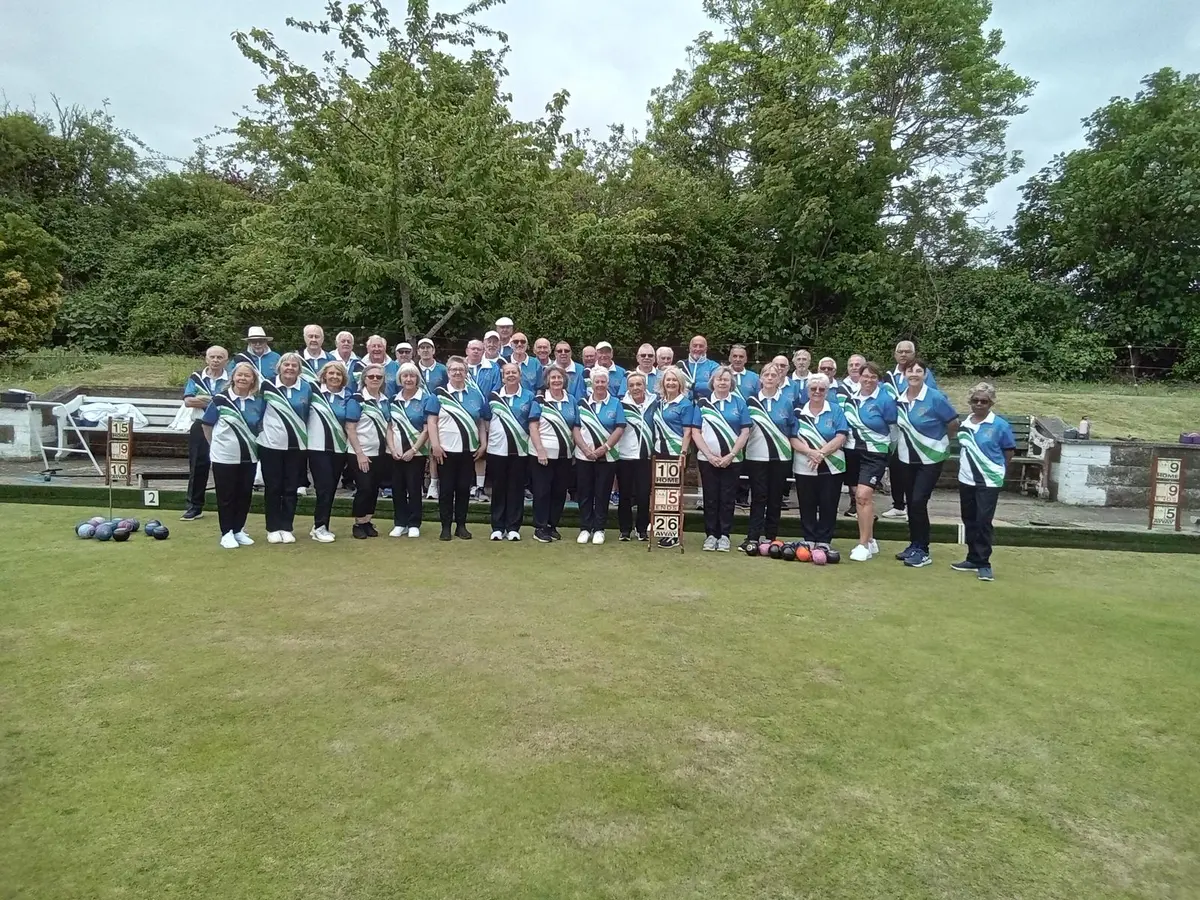
A Greenhithe story
“Long before Empire Bowls Club became the club we know today, it began as part of a community built around one of Greenhithe’s great industries.”
Empire Bowls Club was founded in 1910 as the lawn bowls section of the works social club connected with the large paper mill at Greenhithe. At that time, the factory site was known as the Ingress Abbey Paper Mill. The Empire name came later: after Associated Newspapers acquired the complex in 1919, it became known as Empire Paper Mills. That later identity is the source of the club’s Empire name.
Paper production at the Greenhithe site had begun in 1908. The mill became one of the area’s significant employers, shaping everyday life as well as the skyline. Housing was created for workers, while the company provided gardens, recreation grounds and social facilities for its workforce.
The bowling green formed part of that wider culture of recreation and community. Generations of local people had connections with the paper mill and its sporting facilities, helping the bowls club grow from a works section into a lasting part of Greenhithe life.
The Greenhithe site begins producing paper and becomes an increasingly important local employer.
People connected with the mill establish a lawn bowls section within the works social club — the beginning of the club we know today.
Associated Newspapers acquires the complex and changes its name to Empire Paper Mills. The Empire name is now associated with the site; it was not the name used when the bowls section began in 1910.
Empire Paper Mills becomes part of the Reed Group, while the sporting and social life around the green continues.
By the early 1990s, the great paper mill that had shaped this part of Greenhithe was in decline and closure had become inevitable. Historical sources differ slightly between 1992 and 1993 for the final closure, so the timeline uses the broader early-1990s wording. The industry disappeared, but the club carried its community tradition forward.
Empire Bowls Club Limited is incorporated on 25 April as a company limited by guarantee. This is the incorporation date of the present legal organisation — not the founding date of the bowls club, which dates back to 1910. View the Companies House record ↗
Dartford Borough Council documents still referred to the area as the “Empire Paper Mills Sports Ground” during plans for surrounding development. Much of the former sports-ground land was redeveloped, particularly for housing, while the bowling club remained.
More than 115 years after its beginnings, Empire Bowls Club remains at Greenhithe and continues to take an active part in Kent bowls.
The old sports ground
The area around the club was historically known as the Empire Paper Mills Sports Ground. When road names were being considered for the surrounding development, Empire Bowls Club suggested “Bowling Green Lane” — a nod to how long a bowling club had existed at the location.
The eventual surrounding road names included Norton Lane, Parkwood Hill and Peacock Close. There is no confirmed evidence that Peacock Close explains the peacock in the club’s identity, but the names remain part of the modern landscape around the green.
Empire today
Empire has survived industrial change, the closure of the paper mill, redevelopment of the former sports ground and more than a century of change in Greenhithe.
The surroundings may have changed, but bowls has been part of this corner of Greenhithe since 1910. More than a century later, the Empire story is still being written.
Historical photographs
These contextual photographs come from established heritage collections. They show the paper mill and the surrounding Greenhithe setting in the period around the club’s early years. They are not presented as photographs of Empire Bowls Club itself. The club’s own archive photographs can be added here later when they are available and verified.

The mill, wharf and surrounding landscape in the era when the Empire identity was developing. View the Britain from Above record ↗
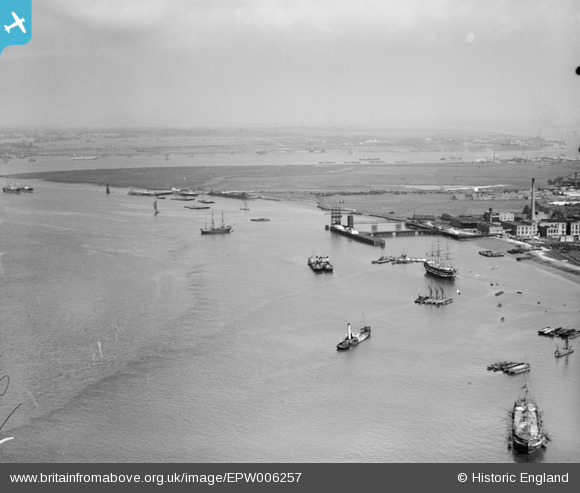
The wider Greenhithe landscape during the first decade of the bowls club’s story. View the Britain from Above record ↗
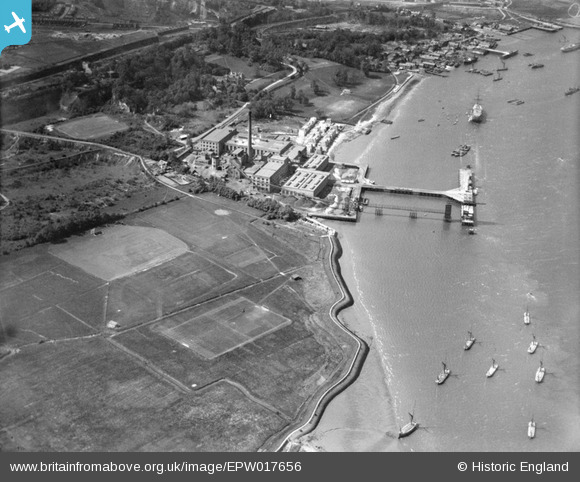
A second archival view of the mill and wharf during the paper-mill era. View the Britain from Above record ↗
Historical reference: Kent Historic Environment Record. Company details: Companies House.
Empire’s recent record reaches from local district titles to Kent County finals and the Bowls England national stage. These highlights combine the club’s published achievement archive with county and national competition records, and are shown by season so the successes of Empire bowlers are easy to follow.
County & national highlights
Kent & district success
District champions
National, county & district success
Competition records checked: Empire’s published achievement archive, 2024 club record, 2025 club record, Kent County Women’s Bowling Association results, Bowls England Women’s Singles finals, and Women’s Pairs finals. The Max Fisher national result is recorded by Lenham Bowling Club’s 2026 national competition record.
Men’s ChampionshipWinner Max Fisher · runner-up Bruce Woodington
Ladies ChampionshipWinner Jan Munday · runner-up Jenny Hands
Men’s PairsWinners Ken Boswell & Gary Carpenter · runners-up Martin Thomas & Bruce Woodington
Ladies PairsWinners Ann Norris & Elaine Horrigan · runners-up Linda Lawrence & Janet Turner
Mixed TriplesWinners Ann Norris, Terry Bland / Geoff Puncheon & Gary Carpenter · runners-up Martin Thomas, Alan Hands & Roger Gladman
Frost CupWinners Linda Lawrence & Bruce Woodington · runners-up Ken Boswell & Ray Norris
101Winner Max Fisher · runner-up Bruce Woodington
Cliff Hunter HandicapWinner Richard Gausby · runner-up Max Fisher